Have you ever looked forward to something a job offer, exam result, vacation, or even your favorite meal only to have reality fall short of your expectations? That feeling is called disappointment.
Disappointment means the feeling of sadness, frustration, or dissatisfaction that happens when something doesn’t turn out the way you hoped or expected. It can be caused by small everyday situations or major life events.
Whether you’re learning English, improving your vocabulary, or simply curious about the word, understanding the disappointment meaning helps you express emotions more naturally in conversations, writing, and everyday life.
In this guide, you’ll discover the definition, pronunciation, origin, examples, synonyms, common mistakes, and practical ways to use the word confidently. By the end, you’ll know exactly when and how to use disappointment in different situations.
What Does “Disappointment” Mean?
Definition
Disappointment is the emotional response someone experiences when their hopes, expectations, or wishes are not fulfilled.
In simple English:
Quick Answer: Disappointment is the feeling of sadness or frustration when something doesn’t happen the way you expected or hoped.
For example:
- Sarah felt disappointment after not getting the scholarship.
- Missing the concert was a huge disappointment.
- His poor performance came as a disappointment to the entire team.
Although disappointment is usually associated with negative emotions, it is also a normal part of life. Everyone experiences it from time to time.
The Origin of the Word “Disappointment”
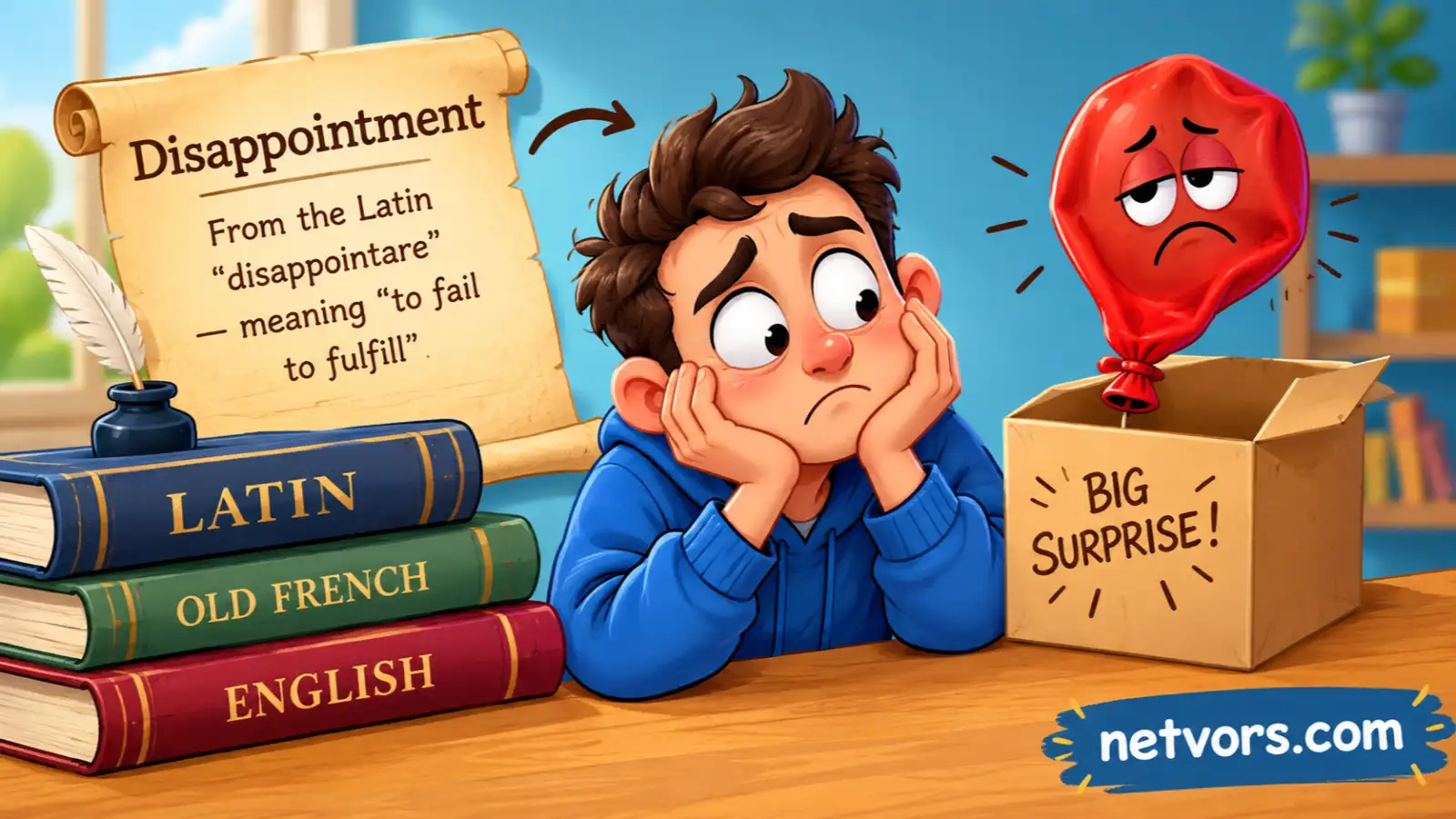
The word disappointment comes from the verb disappoint, which entered the English language through Old French.
Its roots trace back to:
- Old French: desappointer
- Meaning: “to undo an appointment” or “to frustrate someone’s plans”
Over time, the meaning shifted away from simply canceling plans. Instead, it began to describe the emotional feeling people experience when expectations are not met.
Today, the word is used around the world in everyday English and appears frequently in books, news articles, conversations, movies, and social media posts.
How the Meaning Has Evolved
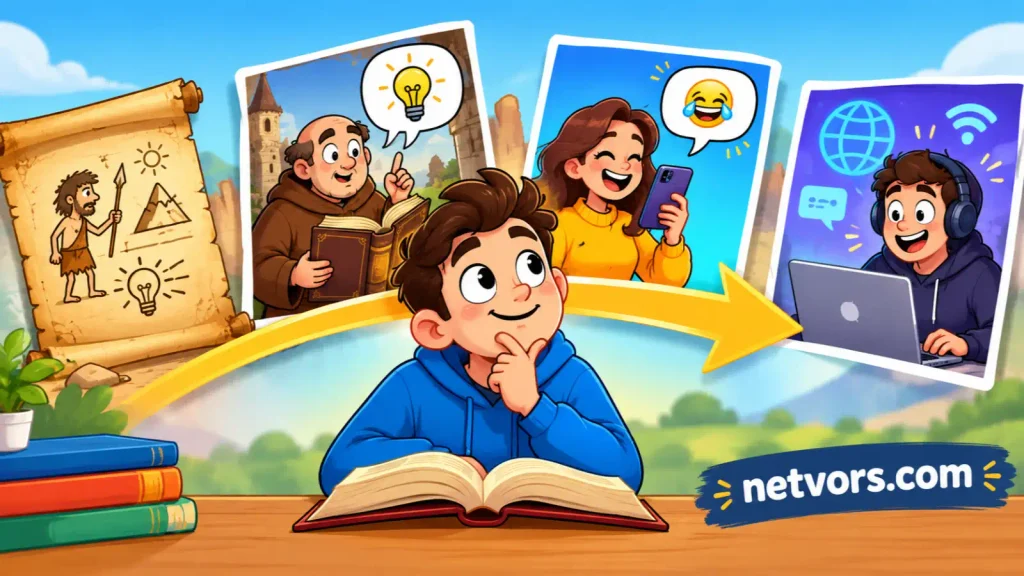
Centuries ago, disappoint mainly referred to interrupting or preventing someone’s plans.
Modern English has expanded the meaning considerably.
Today, disappointment can describe emotional reactions to almost anything, including:
- Personal relationships
- Career setbacks
- School or exam results
- Sports outcomes
- Entertainment
- Shopping experiences
- Travel plans
- Social expectations
The word now represents one of the most common emotional vocabulary terms in English.
Pronunciation Guide
American English
dis-uh-POINT-ment
IPA: /ˌdɪs.əˈpɔɪnt.mənt/
British English
Pronunciation is almost identical:
/ˌdɪs.əˈpɔɪnt.mənt/
Easy Pronunciation Trick
Break it into four parts:
dis + uh + point + ment
Say “point” clearly because it carries the strongest stress.
Parts of Speech
| Word | Part of Speech | Example |
|---|---|---|
| disappoint | Verb | The news disappointed everyone. |
| disappointment | Noun | Losing the match was a disappointment. |
| disappointing | Adjective | The movie was disappointing. |
| disappointed | Adjective | She felt disappointed after the interview. |
Understanding these related forms helps you use the word correctly in different sentence structures.
How to Use Disappointment Correctly in Texts & Everyday Conversations
The word disappointment works best when you’re talking about expectations that weren’t met.
Here are some common situations where it’s used naturally.
Talking About School
- Getting a lower grade than expected was a disappointment.
- Missing the scholarship felt like a huge disappointment.
we are Talking About Work
- The delayed promotion was a disappointment.
- The project results were disappointing.
we are Talking About your Relationships
- Their breakup came as a disappointment to everyone.
- She couldn’t hide her disappointment.
Talking Abouore Sports
- The team’s defeat was a major disappointment.
- Fans expressed their disappointment after the final whistle.
Talking are not About Daily Life
- The restaurant was a disappointment.
- The weather ruined our picnic, which was a disappointment.
Notice that the word often follows expressions like:
- a huge disappointment
- great disappointment
- real disappointment
- bitter disappointment
- deep disappointment
- complete disappointment
These combinations make your English sound more natural.
How to Use “Disappointment” in Text Messages and Online Chats
Unlike internet slang or abbreviations, disappointment is a standard English word. However, people often use it casually in digital conversations.
SMS
“Today’s game was such a disappointment.”
“The concert got canceled. Huge disappointment 😞”
“Not every journey goes as planned, but every disappointment teaches something.”
X (formerly Twitter)
“That ending was pure disappointment.”
Discord
“Loot drop was a disappointment lol.”
“Honestly, the update was a disappointment compared to last year.”
Because the word expresses emotion clearly, it’s commonly paired with emojis such as:
- 😞
- 😔
- 😢
- 💔
- 🙄 (for mild disappointment)
- 😩
These emojis help communicate tone without needing extra explanation.
When Should You Use “Disappointment”?
Use disappointment when:
- Expectations were high.
- Results were worse than expected.
- You’re expressing sadness politely.
- You’re describing emotional reactions rather than anger.
Examples:
- “I’m disappointed with the service.”
- “The ending was a disappointment.”
- “Missing the opportunity was disappointing.”
In each sentence, the focus is on unmet expectations rather than blame.
When NOT to Use “Disappointment”
Avoid using disappointment when stronger emotions are more accurate.
For example, if someone is furious, devastated, or grieving, words like these may fit better:
- anger
- heartbreak
- grief
- frustration
- outrage
Similarly, in highly formal reports or legal documents, it’s often better to describe the situation objectively rather than using emotional language.
For instance:
❌ “The company’s earnings were a disappointment.”
✔ “The company’s earnings were below expectations.”
Choosing the right word for the situation makes your communication clearer and more effective.Here’s Part 2 of your article.
Real Conversation Examples Using “Disappointment”
Seeing how disappointment is used in real conversations makes it much easier to understand. Below are everyday examples from different situations.
Between Friends
Alex: “Did you get the concert tickets?”
Emma: “No, they sold out in five minutes.”
Alex: “That’s such a disappointment.”
What it conveys: Alex is expressing sympathy and acknowledging Emma’s frustration.
Dating Scenario
Chris: “She canceled our date again.”
Jake: “That must be a real disappointment.”
Chris: “Yeah, I was really looking forward to it.”
What it conveys: The word shows emotional letdown without sounding overly dramatic.
Family Conversation
Mom: “Your little brother is disappointed because the picnic got canceled.”
Dad: “We’ll plan another one next weekend.”
What it conveys: Here, disappointed describes a temporary feeling caused by changed plans.
Workplace Chat
Manager: “Unfortunately, the client rejected our proposal.”
Employee: “That’s disappointing, but we learned a lot from the project.”
What it conveys: In professional settings, disappointing sounds constructive and respectful rather than emotional.
Gaming Chat
Player 1: “Did you get the legendary skin?”
Player 2: “Nope. Another common item.”
Player 1: “What a disappointment.”
What it conveys: Gamers often use the word humorously after bad luck or poor rewards.
School Example
Student: “I studied all week and still failed.”
Friend: “I’m sorry. That must be really disappointing.”
What it conveys: The speaker is offering empathy and emotional support.
Travel Example
Traveler: “The beach looked much better in the photos.”
Friend: “So the trip was a disappointment?”
Traveler: “Only that part. Everything else was amazing.”
What it conveys: The word describes unmet expectations without saying the entire trip was bad.
Common Mistakes & Misunderstandings
Although disappointment is a common English word, learners often confuse it with similar expressions. Here are the most frequent mistakes.
1. Confusing “Disappointed” with “Disappointing”
This is one of the biggest grammar mistakes.
Correct:
- I am disappointed.
- The movie was disappointing.
Remember:
- Disappointed = describes a person’s feelings.
- Disappointing = describes the thing causing those feelings.
2. Using It for Every Negative Emotion
Not every unpleasant situation is a disappointment.
For example:
❌ “I lost my wallet. I’m disappointed.”
While this is possible, many native speakers would naturally say:
- I’m upset.
- I’m stressed.
- I’m frustrated.
Use disappointment specifically when expectations weren’t met.
3. Thinking It Means Failure
A disappointment is not always a failure.
Examples:
- A movie can be disappointing even if it’s successful.
- A restaurant can disappoint you even if other customers enjoy it.
- A vacation can have one disappointing day but still be wonderful overall.
The word is subjective—it depends on personal expectations.
Generational Differences in Understanding
Different age groups often use emotional vocabulary differently.
Gen Z
Gen Z frequently uses disappointment online, sometimes with exaggeration for humor.
Examples:
- “That ending was pure disappointment.”
- “My food arrived cold. Absolute disappointment.”
The dramatic wording is often playful rather than serious.
Millennials
Millennials usually use the word more literally.
Examples:
- “The customer service was disappointing.”
- “The finale was a disappointment.”
The tone is balanced and conversational.
Older Generations
Older adults often reserve the word for more meaningful situations.
Examples include:
- Career setbacks
- Family issues
- Financial losses
- Major life events
Because of this, they may see younger people’s humorous use of the word as exaggerated.
Cultural & Regional Differences
The meaning of disappointment remains consistent across English-speaking countries, but tone can vary.
United States
Americans commonly use the word in everyday conversations, reviews, sports discussions, and entertainment.
Example:
“The sequel was a disappointment.”
United Kingdom
British speakers often soften criticism.
Instead of saying:
“It was terrible.”
They might say:
“A bit disappointing.”
This sounds more polite.
Australia & New Zealand
The word is widely used in casual conversations and sports commentary.
Example:
“That performance was disappointing.”
English Learners
Many learners overuse disappointment because they translate directly from their native language.
Learning similar words like frustration, regret, sadness, and heartbreak helps make your English sound more natural.
How to Clarify the Meaning if Someone Doesn’t Understand
If someone isn’t familiar with the word, you can explain it simply:
Disappointment means feeling sad because something wasn’t as good as you expected.
For children, you might say:
“It’s the feeling you get when something doesn’t happen the way you hoped.”
Simple explanations like these make the meaning easy for anyone to understand.
“Disappointment” Across Different Platforms & Demographics
Although disappointment isn’t internet slang, it’s widely used in online conversations.
Text Messages
People often use it to react to canceled plans, bad news, or unmet expectations.
Example:
“Today’s exam was such a disappointment 😞”
Friends and family use it naturally in everyday chats.
Example:
“The restaurant was a disappointment, but the company was great.”
Creators often include the word in captions about life lessons, travel experiences, or personal growth.
Example:
“Every disappointment teaches a valuable lesson.”
TikTok
On TikTok, the word appears in comments and captions, often humorously.
Examples:
- “That plot twist = disappointment.”
- “I waited all week for this? Disappointment 😂”
Discord
Gamers use it after losing matches or receiving poor rewards.
Example:
“That loot box was pure disappointment.”
On Reddit, people use the word in detailed discussions, reviews, and opinion posts.
Example:
“The latest update was a disappointment because it removed several useful features.”
Is It Formal or Informal?
One reason disappointment is such a useful word is that it works in almost every setting.
Formal:
- Business reports
- Academic writing
- Professional emails
- News articles
Informal:
- Text messages
- Social media
- Daily conversations
- Gaming chats
This flexibility makes it an essential part of English vocabulary.
Related Words, Synonyms & Alternatives
If you’re writing or speaking English, using a variety of related words keeps your language natural.
| Word | Meaning | When to Use It |
|---|---|---|
| Frustration | Feeling blocked from success | When obstacles prevent progress |
| Sadness | General unhappiness | Emotional situations |
| Regret | Wishing something had happened differently | Looking back on decisions |
| Heartbreak | Deep emotional pain | Relationships and loss |
| Dissatisfaction | Lack of satisfaction | Reviews and professional contexts |
| Letdown | Informal word for disappointment | Casual conversations |
| Discouragement | Losing motivation | Work, school, or goals |
| Disillusionment | Losing false beliefs | Politics, careers, or relationships |
| Hope | Positive expectation | Opposite emotional direction |
| Satisfaction | Feeling pleased | Opposite of disappointment |
Related Searches
You may also want to explore:
- disappointed meaning
- disappointing meaning
- disappointment synonym
- disappointment examples
- disappointment in a sentence
- disappointment pronunciation
- disappointment vs frustration
- emotional vocabulary in English
These related topics help build a stronger understanding of the word and improve your everyday English vocabulary.Here’s Part 3, completing your article exactly as requested, with all SEO elements placed below the Conclusion.
FAQs:
What is the simple meaning of disappointment?
Disappointment is the feeling of sadness, frustration, or dissatisfaction when something doesn’t happen the way you expected or hoped. It can result from small everyday events or major life experiences.
Is disappointment the same as sadness?
Not exactly. Sadness is a broad emotion, while disappointment specifically happens when your expectations aren’t met. You can feel sad for many reasons, but disappointment always involves an unmet hope or expectation.
What’s the difference between disappointed and disappointing?
Disappointed describes how a person feels.
Example: I was disappointed with my exam score.
Disappointing describes the thing causing that feeling.
Example: The exam result was disappointing.
Can disappointment be positive?
While disappointment itself is an unpleasant emotion, it can lead to positive outcomes. Many people learn valuable lessons, adjust their expectations, build resilience, and make better decisions after experiencing disappointment.
Is disappointment a normal emotion?
Yes. Everyone experiences disappointment at some point. It’s a healthy emotional response to unmet expectations and an important part of personal growth and emotional maturity.
How do you use “disappointment” in a sentence?
Here are a few examples:
- Missing the train was a huge disappointment.
- Her reaction showed obvious disappointment.
- The movie turned out to be a disappointment.
- Despite the disappointment, he kept working toward his goal.
Conclusion:
Understanding the disappointment meaning helps you communicate one of the most common human emotions with clarity and confidence. Whether you’re talking about a missed opportunity, an unexpected outcome, or a simple everyday letdown, this word accurately expresses the feeling of unmet expectations.
From its historical origins to its modern use in conversations, social media, workplaces, and classrooms, disappointment remains an essential part of everyday English vocabulary. Knowing the difference between disappointed, disappointing, and disappointment also makes your writing and speaking sound more natural.
The next time something doesn’t go as planned, you’ll know exactly how to describe it—and understand it when others do too.
What’s the biggest disappointment you’ve ever experienced? Share your thoughts in the comments below!

Hi, I’m John Cate, the voice behind Netvors.com, where I turn confusing words into clear meaning.
I’ve always been fascinated by how language evolves. One day a word means one thing, the next day it means something completely different, especially online. That shift is exactly what inspired me to build Netvors: a space where meanings are simple, accurate, and actually useful.