Have you ever seen someone describe a friend as “sneaky” in a text message or social media comment and wondered whether it was a compliment or an insult? The answer depends entirely on the situation. Sometimes it’s playful and even affectionate. Other times, it points to dishonest or secretive behavior.
Sneaky is one of those everyday English words that appears everywhere—from casual conversations and memes to TikTok captions, gaming chats, and workplace discussions. Understanding its meaning can help you avoid misunderstandings and communicate more naturally, whether you’re a native English speaker or learning the language.
Updated for 2026, this guide explains the meaning of sneaky, where the word comes from, how people use it today, when you should avoid it, and plenty of real-life examples to make everything crystal clear.
Whether you spotted the word in a WhatsApp message, Instagram comment, or online game, you’ll find everything you need right here.
What Does “Sneaky”?
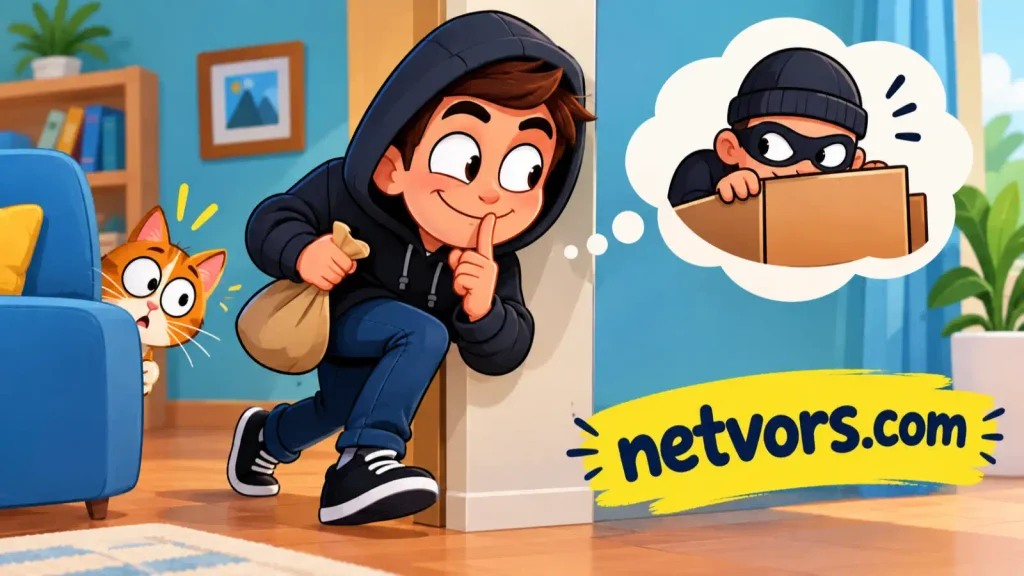
Quick Answer: Sneaky describes someone or something that acts secretly, quietly, or deceptively, often to avoid being noticed or to gain an advantage. Depending on the context, it can be negative, humorous, or even complimentary.
At its core, sneaky refers to behavior that is hidden or difficult to notice. A sneaky person might keep secrets, surprise others, or do something without drawing attention.
For example:
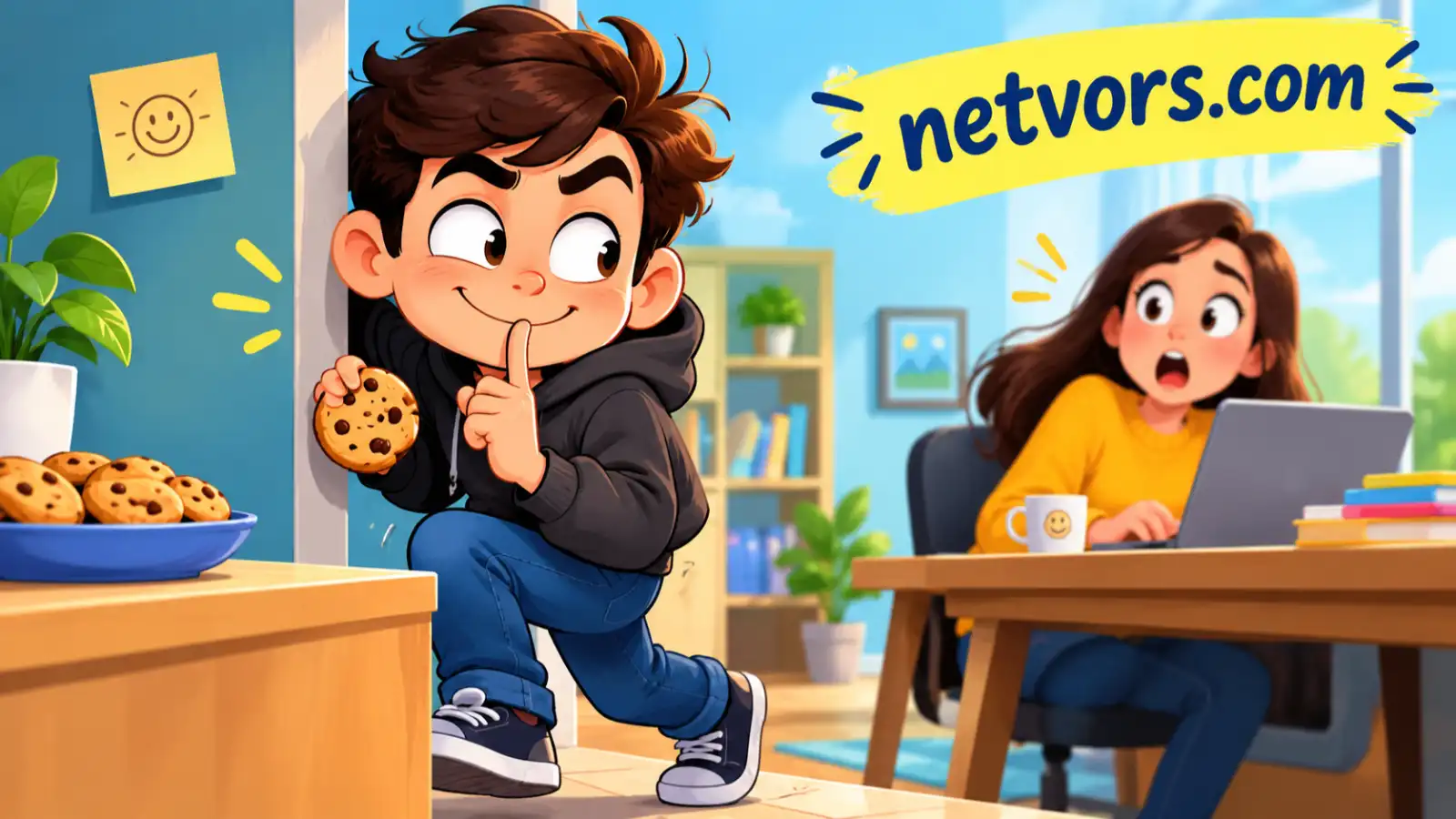
- “He took the last cookie. Sneaky!”
- “That was a sneaky shortcut.”
- “She gave me a sneaky birthday surprise.”
Although the word often suggests deception, modern conversations frequently use it in a lighthearted way.
Definition in Simple English
Sneaky means:
- Acting secretly
- Trying not to be noticed
- Being clever in a hidden way
- Sometimes being dishonest
- Occasionally being playfully mischievous
Pronunciation
Sneaky is pronounced:
SNEE-kee
IPA: /ˈsniː.ki/
The emphasis falls on the first syllable.
Word Origin
The word sneaky comes from the verb sneak, which has existed in English for centuries. “Sneak” originally meant moving quietly to avoid being seen.
As English evolved, sneaky became the adjective describing people, actions, or situations that involve secrecy or subtle deception.
Today, internet culture has broadened its meaning. Instead of always implying dishonesty, many people now use it to describe something unexpectedly clever or amusing.
Examples include:
- Sneaky funny
- Sneaky good
- Sneaky fast
- Sneaky difficult
These expressions usually carry a positive tone.
How the Meaning Has Changed
Years ago, calling someone sneaky almost always implied they couldn’t be trusted.
Today, younger generations often use it much more casually.
For example:
- “That’s a sneaky good restaurant.”
- “This movie was sneaky emotional.”
- “You’re sneaky funny.”
In these cases, sneaky means something was surprisingly better, stronger, or more noticeable than expected.
How to Use “Sneaky” Correctly in Texts & Chat
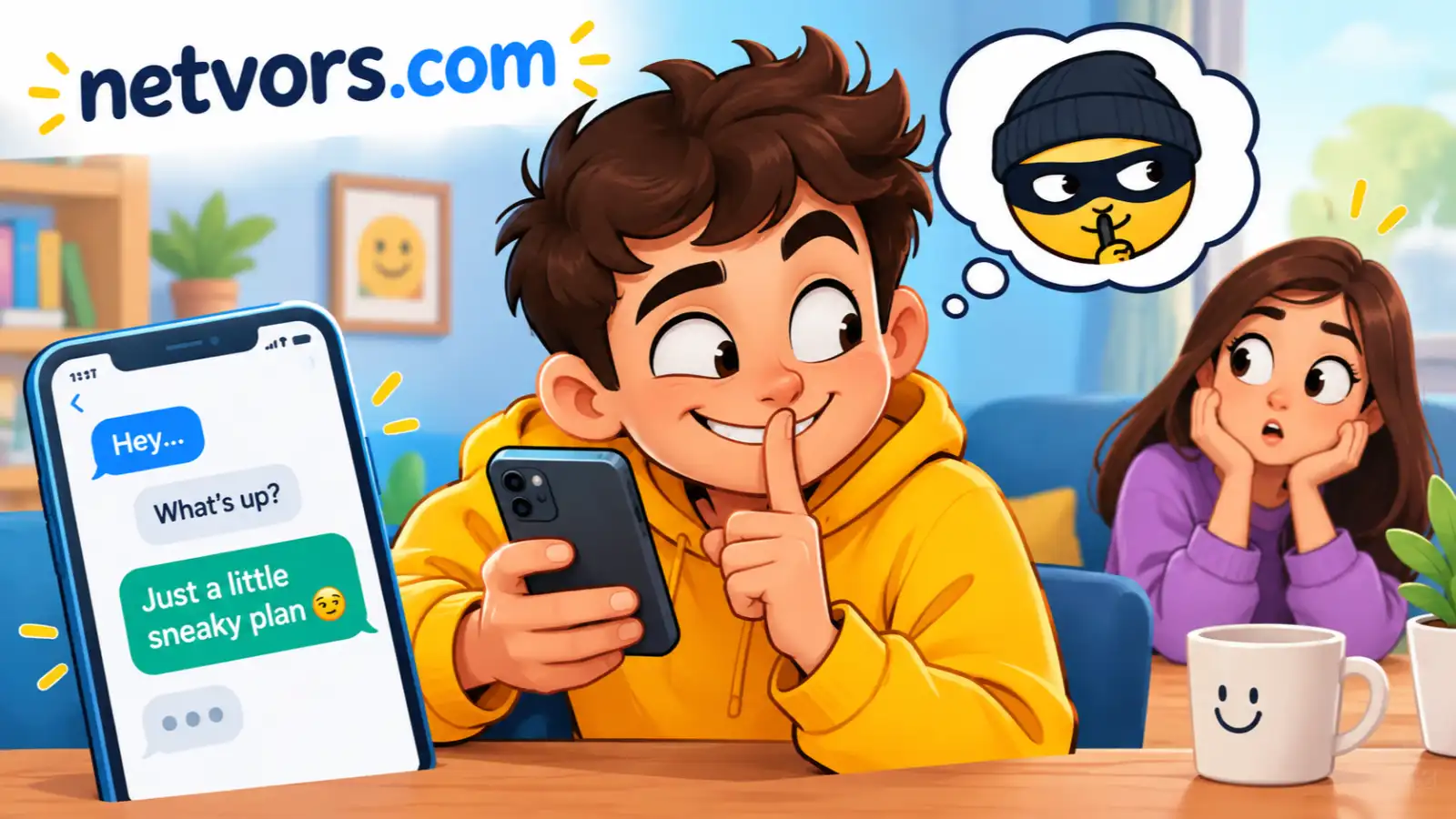
The meaning of sneaky changes based on tone and context.
Casual Conversations
This is where the word appears most often.
Examples:
- “You’re so sneaky 😂”
- “Nice sneaky move.”
- “That was sneaky.”
The tone is usually playful.
WhatsApp & SMS
Friends often use sneaky after someone keeps a surprise secret.
Example:
A: “I already bought your birthday gift.”
B: “You’re sneaky 😂”
Here, the word expresses amused appreciation rather than criticism.
You’ll often find captions like:
- “Sneaky beach trip.”
- “Sneaky selfie.”
- “Sneaky weekend getaway.”
These usually mean the activity happened quietly or unexpectedly.
X (formerly Twitter)
People frequently write:
- “That episode was sneaky good.”
- “Sneaky best player on the team.”
Here, sneaky means “unexpectedly.”
Discord & Gaming
Gamers use the word constantly.
Examples:
- “Watch the sneaky flank.”
- “He’s playing sneaky.”
- “Sneaky strategy.”
In gaming, the word usually describes stealth, surprise attacks, or clever tactics.
On Reddit, sneaky often appears in discussions about:
- hidden details
- secret features
- underrated products
- plot twists
- clever jokes
Example:
“That’s a sneaky reference most people missed.”
When NOT to Use “Sneaky”
Avoid calling someone sneaky in formal or professional settings unless you’re certain they’ll understand your tone.
For example, avoid saying:
❌ “Our manager is sneaky.”
It may sound like you’re accusing them of dishonesty.
Instead say:
- discreet
- strategic
- subtle
- confidential
- thoughtful
These alternatives sound much more professional.
Formatting Tips
People usually write it in lowercase:
- sneaky
For emphasis:
- Sneaky…
- sooo sneaky
- SNEAKY 👀
Popular emoji pairings include:
- 👀
- 😏
- 😂
- 🤫
- 🤭
These help signal that the comment is playful rather than offensive.
Real Conversation Examples Using “Sneaky”
Between Friends
Emma: “You already watched the new episode without me?”
Liam: “Maybe…”
Emma: “You’re sneaky 😂”
Meaning: Emma is teasing Liam for secretly watching the show first.
Dating Conversation
Alex: “I planned dinner weeks ago.”
Taylor: “Aww… you’ve been sneaky.”
Meaning: The word expresses pleasant surprise because Alex secretly planned something thoughtful.
Family Chat
Mom: “I hid chocolate in the top cupboard.”
Dad: “The kids still found it.”
Mom: “They’re getting sneaky.”
Meaning: The children have become clever at finding hidden treats.
Workplace Group Chat
Manager: “Someone decorated my desk before I arrived.”
Employee: “Sneaky teamwork!”
Meaning: Everyone secretly planned a fun surprise, creating a positive and humorous tone.
Gaming Chat
Player 1: “How did you eliminate everyone?”
Player 2: “I took the sneaky route around the map.”
Meaning: The player used stealth instead of attacking directly.
Bonus Example: Social Media
Caption:
“Just tried that tiny café everyone ignores… it’s sneaky good.”
Meaning: The café turned out to be much better than expected, making “sneaky” a compliment rather than criticism.Common Mistakes & Misunderstandings
Although sneaky is a common English word, it’s easy to misuse because its meaning changes with context. Here are the most common mistakes and how to avoid them.
1. Thinking “Sneaky” Is Always an Insult
Many people assume that calling someone sneaky is automatically rude. While it can be negative, that’s not always the case.
For example:
❌ “You’re so sneaky!” (Could sound insulting without context.)
✅ “You’re so sneaky 😂 I didn’t even notice!”
The laughing emoji or playful tone makes it clear you’re joking.
2. Confusing “Sneaky” with “Secret”
These words are related but not identical.
- Secret describes something hidden.
- Sneaky describes how someone behaves while hiding something.
Example:
- “It’s a secret party.” ✔️
- “It’s a sneaky party.” ❌
However:
- “They planned the party in a sneaky way.” ✔️
3. Using It in Formal Writing
Avoid using sneaky in business emails, academic papers, or professional reports unless you’re intentionally describing deceptive behavior.
Instead of writing:
❌ “The company used sneaky marketing.”
Consider:
- misleading marketing
- deceptive marketing
- unethical marketing
- hidden marketing tactics
These alternatives sound more precise and professional.
Generational Differences
Different age groups often interpret sneaky differently.
Gen Z
Gen Z frequently uses sneaky in a positive or humorous way.
Examples:
- “Sneaky good.”
- “Sneaky funny.”
- “Sneaky talented.”
These phrases mean something is surprisingly impressive.
Millennials
Millennials often use sneaky both positively and negatively.
For example:
- “You’re sneaky.” (Playful)
- “That was sneaky.” (Questionable behavior)
Tone usually determines the meaning.
Older Generations
Older adults are more likely to associate sneaky with dishonesty or untrustworthiness.
If you’re speaking with someone unfamiliar with modern internet slang, adding context can prevent misunderstandings.
Cultural Differences
In many English-speaking countries, sneaky is commonly used jokingly among friends.
However, English learners may interpret it literally because dictionaries often define it as “deceptive” or “secretive.”
That’s why understanding the conversation’s tone is just as important as knowing the dictionary definition.
How to Clarify If Someone Doesn’t Understand
If someone looks confused, simply expliain what you mean.
For example:
“I meant sneaky in a funny way—not dishonest.”
Or:
“I meant it was unexpectedly good.”
A quick explanation removes any confusion.
“Sneaky” Across Different Platforms & Demographics
The meaning of sneaky shifts slightly depending on where people use it online.
TikTok
TikTok users often say:
- “Sneaky good.”
- “Sneaky expensive.”
- “Sneaky addictive.”
These phrases describe something that quietly exceeds expectations.
Example:
“This song is sneaky addictive.”
Meaning: You didn’t expect to like it so much.
On Instagram, sneaky appears in captions about unexpected moments.
Examples:
- Sneaky vacation
- Sneaky gym selfie
- Sneaky snack break
- Sneaky coffee run
Here, the word usually suggests spontaneity or playful secrecy.
Discord
Gaming communities use sneaky constantly.
Examples include:
- sneaky flank
- sneaky attack
- sneaky build
- sneaky strategy
In gaming, it often refers to stealth, patience, and surprise rather than deception.
Reddit users frequently describe hidden discoveries as sneaky.
Examples:
- sneaky reference
- sneaky joke
- sneaky detail
- sneaky feature
This usually means something subtle that many people initially miss.
WhatsApp & Messenger
In private chats, sneaky often appears between close friends or family members.
Examples:
- “You were sneaky!”
- “Nice sneaky surprise.”
- “Sneaky move 😂”
The tone is usually warm and teasing.
Is “Sneaky” Formal or Informal?
Sneaky is considered an informal English word.
It’s perfectly appropriate in:
- Text messages
- Group chats
- Social media posts
- Casual conversations
- Online gaming
- Friendly emails
It’s generally not recommended for:
- Business reports
- Academic writing
- Legal documents
- Professional presentations
Unless you’re intentionally describing deceptive behavior.
Is It Safe for Work?
Usually, yes.
The word itself isn’t offensive or inappropriate. However, describing a colleague as “sneaky” could be interpreted as accusing them of dishonest behavior.
When in doubt, choose words like:
- clever
- discreet
- subtle
- strategic
Related Slang, Abbreviations & Alternatives
If you’re interested in learning more internet slang, these related words can help expand your vocabulary.
| Word | Meaning | When to Use |
|---|---|---|
| Shady | Suspicious or dishonest | Someone acting untrustworthy |
| Sketchy | Seems unsafe or questionable | Places, people, or situations |
| Low-key | Quietly or secretly | Expressing something subtly |
| Sus | Suspicious | Popular in gaming and memes |
| Stealthy | Moving quietly and unnoticed | Gaming or military contexts |
| Clever | Smart and inventive | Positive compliment |
| Sly | Secretly intelligent or cunning | Playful or literary tone |
| Tricky | Difficult or deceptive | Games, puzzles, or behavior |
| Undercover | Hidden identity | Secret investigations |
| Mischievous | Playfully naughty | Children, pets, or jokes |
Synonyms
- secretive
- stealthy
- sly
- subtle
- discreet
- crafty
- cunning
- deceptive (negative context)
- hidden
- quiet
Antonyms
- honest
- open
- straightforward
- obvious
- transparent
- direct
- sincere
Explore More Slang
If you’re building your internet slang vocabulary, consider reading guides about:
- Sus meaning
- Low-key meaning
- Bet meaning
- NPC meaning
- Rizz meaning
These expressions often appear alongside modern online conversations and social media trends.
FAQs:
What does “sneaky” mean in texting?
In texting, sneaky usually means someone did something secretly, cleverly, or unexpectedly. Depending on the conversation, it can be playful (“You’re sneaky 😂”) or mildly critical if someone hid something important.
Is calling someone “sneaky” a compliment?
Sometimes. If you say someone is “sneaky funny” or “sneaky talented,” it’s generally a compliment, meaning they’re surprisingly good at something. However, calling someone sneaky without context can imply dishonesty.
What does “sneaky good” mean?
“Sneaky good” means something is much better than people expect. For example, a small restaurant might be described as “sneaky good” because its food is excellent despite its modest appearance.
Can “sneaky” be used in professional settings?
It’s best to avoid it. In workplaces, the word may suggest deception or unethical behavior. If you mean someone is thoughtful or discreet, choose more professional alternatives such as “strategic” or “subtle.”
conclusion:
People often say this jokingly after someone keeps a surprise, wins unexpectedly, or quietly accomplishes something. The phrase is usually playful among friends but can sound negative if spoken seriously or without context.Conclusion
Language changes fast, especially online, and sneaky is a perfect example of a word that’s evolved beyond its original meaning. While it still describes someone acting secretly or deceptively, it’s now just as likely to be used playfully to describe an unexpected surprise, hidden talent, or something that’s much better than people expected.
The key to understanding sneaky is paying attention to context. In a text message between friends, it might be a lighthearted joke. In a gaming chat, it could praise a smart strategy in a professional setting, however, the same word may sound like an accusation. Knowing the difference helps you communicate naturally and avoid misunderstandings.
Now that you know the full sneaky meaning, you’re ready to recognize it in conversations, social media posts, memes, and everyday English. The next time someone says, “That’s sneaky!” you’ll know exactly what they mean—and maybe even use the word yourself with confidence.
What’s your favorite internet slang or text abbreviation? Drop it in the comments below, and explore more slang guides to keep your online vocabulary up to date!

Hi, I’m John Cate, the voice behind Netvors.com, where I turn confusing words into clear meaning.
I’ve always been fascinated by how language evolves. One day a word means one thing, the next day it means something completely different, especially online. That shift is exactly what inspired me to build Netvors: a space where meanings are simple, accurate, and actually useful.